In church services and meetings across the world, pastors and church leaders speak a benediction prayer over the congregation.
These prayers, rooted in the pages of the Bible, offer profound blessings and words of encouragement to individuals and communities alike. In this article, we will go on a journey to explore the power and purpose of benediction prayer.
We will cover what exactly a benediction prayer is, the context in which it is used, and how to do your own benediction prayers. We will look at their origins within the pages of the Old and New Testaments to uncover the structural elements that make up these divine blessings.
Also included are 15 powerful benediction prayers and the best benediction scriptures you and your church can use during services, meetings, or at home.
Join us in this exploration as we unlock the wisdom and divine blessings contained within benediction prayer.
What is a Benediction Prayer? A benediction is a short closing prayer or blessing spoken at the end of a church service or gathering. The word comes from Latin bene (“well”) + dicere (“to speak”) — literally “to speak well” or “to bless.”

Benediction Prayer Shortlist
Don’t have the time to do a deep dive into the article? Worry not!
Here is a brief overview of the most important points:
- The main purpose of a benediction is to pray blessings, guidance, or favor upon someone or a group of people.
- Benedictions can be found all over the Bible, especially in the book of Psalms and Paul’s letters.
- The most popular benediction is from Numbers 6:24-26.
- Other great benedictions to pray over others are from Psalm 121:7-8 and 1 Thessalonians 5:23.
What is a Benediction Prayer?
A Benediction prayer, often simply referred to as a “benediction,” is a short, concluding prayer or blessing that is typically pronounced at the beginning or end of a religious service, ceremony, or gathering. The term “benediction” itself is derived from the Latin words “bene” (meaning “well”) and “dicere” (meaning “to speak”), essentially meaning a “well-wishing” or “good-speaking.”
The primary purpose of a benediction is to pray blessings, guidance, or divine favor upon the congregation or individuals who have gathered for a worship service or a specific event. Benediction examples can be found throughout the Bible in the Old and New Testaments.
In Christian traditions, benedictions are commonly used to close a church service or religious ceremony. They often express gratitude for God’s presence, request His continued guidance and protection, and offer a blessing to those in attendance. One of the most famous biblical benedictions is found in the Book of Numbers in the Old Testament, known as the Aaronic Blessing or the Priestly Blessing:
“May the Lord bless you and keep you; May the Lord make His face shine upon you, And be gracious to you; May the Lord lift up His countenance upon you, And give you peace.” (Numbers 6:24-26, NIV)
Benedictions can also vary in length and complexity, ranging from a simple closing blessing by a religious leader to more elaborate and poetic expressions of divine favor. Regardless of their form, benedictions play an important role in religious and spiritual gatherings.
They can provide a sense of closure, unity, and connection to the Holy Spirit.
Daily Prayer
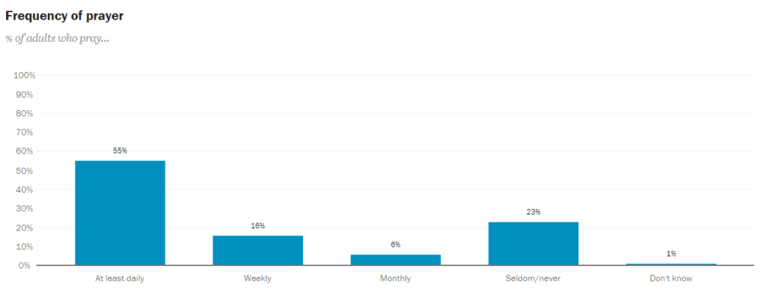
According to Pew Research, only 55% of adults pray daily. That means that almost half of adults are missing out on being blessed by these prayers in their lives.
The more benediction prayers we can use in our churches and daily lives, the better.
Biblical Foundation
Benediction prayers find their roots deep within the pages of the Bible, both in the Old and New Testaments. These sacred blessings have been a source of spiritual inspiration and guidance for countless generations.
Let’s explore the biblical foundation of benediction prayers.
Old Testament Benedictions
Benediction prayers are first seen in the Old Testament, where priests or leaders would ask for blessings from God for other people.
- Examples from the Torah: The Torah, the foundation of the Old Testament, contains several benedictions. One of the most famous is the Aaronic Blessing (as shown in the section above), which was originally given to the priests for imparting blessings upon the Israelites. It remains a powerful and widely used benediction to this day.
- Benedictions in Psalms: The Book of Psalms is full of benedictions and expressions of praise and blessing. Psalms such as Psalm 29:11 (“May the Lord give strength to his people; may the Lord bless his people with peace”) reflect the psalmists’ desire for God’s blessings upon His people.
New Testament Benedictions
The New Testament is full of benedictions, often being used as blessings at the end of letters for the recipients. Many important New Testament figures and writers used benediction prayers in their writing.
- Paul’s Benedictions: In his letters to various early Christian communities, the apostle Paul often included benedictions. These benedictions served to convey his wishes for God’s grace, peace, and love upon the recipients. For instance, in 2 Corinthians 13:14, Paul writes, “The grace of the Lord Jesus Christ and the love of God and the fellowship of the Holy Spirit be with you all.”
- Benedictions in the Book of Hebrews: The Epistle to the Hebrews contains profound benedictions that emphasize God’s covenant and blessings upon His people. Hebrews 13:20-21 provides a beautiful example: “Now may the God of peace who brought up our Lord Jesus from the dead, that great Shepherd of the sheep, through the blood of the everlasting covenant, make you complete in every good work to do His will, working in you what is well pleasing in His sight, through Jesus Christ, to whom be glory forever and ever.
The biblical foundation of benediction prayers underscores their significance in conveying God’s blessings, grace, and peace to His people. These ancient benedictions continue to inspire and resonate with individuals and communities in their spiritual journeys.
Structure of Benediction Prayers
Benediction prayers are not arbitrary words but carefully structured expressions of divine blessings and good wishes. To appreciate their depth and significance, it’s essential to understand the typical elements that make up these biblical blessings:
- Invocation of God’s Blessings: Firstly, every benediction prayer begins with an invocation or an appeal to God. It acknowledges the divine source of blessings and seeks God’s love, favor, and presence. The invocational element often addresses God using titles or attributes that reflect His nature, such as “Our Heavenly Father,” “God of Grace,” or “Lord of Mercy.”
- Expression of Gratitude: Secondly, benedictions frequently express gratitude to God for His goodness, love, and faithfulness. This gratitude is an acknowledgment of past blessings and sets the tone for seeking further blessings. Gratitude is often interwoven with praise, as benedictions magnify God’s character and deeds.
- Prayer for Specific Blessings: Benedictions commonly include specific requests or blessings sought for the congregation or individuals. These blessings can encompass a wide range of spiritual, emotional, and physical well-being. Examples of specific blessings may include peace, joy, wisdom, protection, guidance, or spiritual growth.
- Closing and Amen: Benedictions typically conclude with a closing statement that seals the prayer. One of the most common closings is the word “Amen,” which signifies agreement and affirmation. The “Amen” is often said by the congregation, affirming their acceptance of the blessings and their alignment with the prayer’s content.
Understanding the structure of benediction prayers helps individuals and communities engage more deeply with the spiritual significance of these blessings. Each element contributes to the richness of the inspiring prayer, conveying both a sense of reverence and a heartfelt desire for God’s favor and grace.
15 Benediction Prayers for Church
Here are 15 Benediction Prayers you can use in your church sermons or meetings. These prayers use scripture as a foundation. Feel free to use these prayers verbatim, or just to use them as inspiration and a template for you in your own prayers. As long as you are speaking with life and using the Word as the core, your benedictions will bless others!
| # | Prayer Name | Scripture | Best For |
|---|---|---|---|
| 1 | Aaronic Blessing | Numbers 6:24-26 | Sunday service, any occasion |
| 2 | Paul’s Prayer to the Romans | Romans 15:5-6 | Unity-themed services |
| 3 | Prayer from Hebrews | Hebrews 13:20-21 | Communion, special services |
| 4 | Prayer for Sanctification | 1 Thessalonians 5:23 | Dedication services, baptisms |
| 5 | Peter’s Blessing | 2 Peter 1:2-3 | Bible study, growth series |
| 6 | Blessing of Praise | Ephesians 3:20-21 | Worship services, celebrations |
| 7 | Psalm Benediction | Psalm 121:7-8 | Funerals, comfort services |
| 8 | Custom Prayer | Original | Any occasion |
| 9 | The Grace | 2 Corinthians 13:14 | Any service, most popular |
| 10 | Jude’s Doxology | Jude 1:24-25 | Challenging seasons |
| 11 | Blessing of Hope | Romans 15:13 | Transition, New Year |
| 12 | The Peace of God | Philippians 4:7 | Anxiety, stress, comfort |
| 13 | Beloved, I Pray | 3 John 1:2 | Small groups, pastoral visits |
| 14 | Peace and Love | Colossians 3:15-17 | Worship services |
| 15 | Children’s Benediction | Numbers 6:24-26 (adapted) | Children’s church, VBS |
1. Aaronic Blessing
“May the Lord bless you and keep you; May the Lord make His face shine upon you, And be gracious to you; May the Lord lift up His countenance upon you, And give you peace.”
This benediction comes from Numbers 6:24-26, using the NIV translation. This is one of the most popular benediction prayers used in church today.
The blessing is named after Aaron, the brother of Moses, and is associated with the priestly duties assigned to the descendants of Aaron, known as the Kohanim (priests). In the context of the Old Testament, the Aaronic Blessing was recited by the priests as part of their duties in the Tabernacle or Temple. It was intended to invoke God’s blessings and protection upon the people of Israel.
2. Paul’s Prayer to the Romans
“May the God of endurance and encouragement grant you to live in such harmony with one another, in accord with Christ Jesus, that together you may with one voice glorify the God and Father of our Lord Jesus Christ.”
This benediction is from Romans 15:5–6. It is a passage from the New Testament, specifically from the Epistle to the Romans, written by the apostle Paul. These verses emphasize unity and harmony among believers and highlight the importance of glorifying God together.
3. Prayer from Hebrews
“Now may the God of peace who brought again from the dead our Lord Jesus, the great shepherd of the sheep, by the blood of the eternal covenant, equip you with everything good that you may do his will, working in us that which is pleasing in his sight, through Jesus Christ, to whom be glory forever and ever. Amen.”
This benediction prayer is Hebrews 13:20–21. It is the closing benediction or doxology found at the end of the epistle to the Hebrews. In these verses, the author offers a prayer of blessing and exhortation for the readers, invoking God’s divine assistance and guidance.
4. Prayer for Sanctification
“Now may the God of peace himself sanctify you completely, and may your whole spirit and soul and body be kept blameless at the coming of our Lord Jesus Christ.”
This prayer comes from 1 Thessalonians 5:23. It is a verse from the New Testament, specifically from the first letter written by the apostle Paul to the Thessalonian Christians. This verse addresses the concept of sanctification and the holistic well-being of believers.
5. Peter’s Blessing
“May grace and peace be multiplied to you in the knowledge of God and of Jesus our Lord. His divine power has granted to us all things that pertain to life and godliness, through the knowledge of him who called us to his own glory and excellence.”
This benediction comes from 2 Peter 1:2–3. It emphasizes the abundant blessings of grace and peace that come through a deep knowledge of God and Jesus Christ. It also speaks that God’s divine power provides everything needed for a life of godliness. This passage serves as an encouragement for believers to draw near to God and grow in their relationship with Him.
6. Blessing of Praise
“Now to him who is able to do far more abundantly than all that we ask or think, according to the power at work within us, to him be glory in the church and in Christ Jesus throughout all generations, forever and ever. Amen.”
Ephesians 3:20–21 is where we find this benediction. This passage is a doxology, a declaration of praise and glory to God, emphasizing His unlimited power and majesty.
7. Psalm Benediction
“The Lord will keep you from all evil; he will keep your life. The Lord will keep your going out and your coming in from this time forth and forevermore.”
This is from Psalm 121:7–8. It serves as a source of solace and confidence for those who turn to God for protection and guidance. It expresses the belief that the Lord is the ultimate source of safety, security, and assurance. Both in the present and for all eternity.
8. Custom Prayer
“May the Lord bless us today in our coming and going. I pray God’s blessing over our families, our careers, our finances, and our souls. I pray that the Holy Spirit would help us to seek your face, and to treat those around us how you treat us. We declare that you are the one and only god and that we would hold no other gods before you. May Lord God bless you and keep you. Amen.”
Finally, this is a custom prayer I wrote as an example. Evidently, it pulls inspiration from the other prayers we covered on this list, and has a biblical foundation. You can use this prayer in your own services. Additionally, you can just let it inspire you to speak your own benediction prayers.
9. The Grace (Trinitarian Blessing)
“May the grace of the Lord Jesus Christ, and the love of God, and the fellowship of the Holy Spirit be with you all.”
This benediction comes from 2 Corinthians 13:14 and is one of the most frequently used closing blessings in Christian worship. Known as “The Grace,” it beautifully invokes all three persons of the Trinity — the grace of Christ, the love of the Father, and the fellowship of the Spirit. It’s a fitting benediction for any occasion because it covers the fullness of God’s blessing.
10. Jude’s Doxology
“Now to him who is able to keep you from stumbling and to present you blameless before the presence of his glory with great joy, to the only God, our Savior, through Jesus Christ our Lord, be glory, majesty, dominion, and authority, before all time and now and forever. Amen.”
This powerful benediction is from Jude 1:24-25. It’s a triumphant declaration of God’s power to keep us from falling. This prayer is especially meaningful for congregations going through difficult seasons — it reminds them that God is able to hold them up and ultimately bring them into His glorious presence.
11. Paul’s Blessing of Hope
“May the God of hope fill you with all joy and peace as you trust in him, so that you may overflow with hope by the power of the Holy Spirit.”
From Romans 15:13, this benediction focuses on hope, joy, and peace — three things every congregation needs. It’s a beautiful prayer for seasons of uncertainty or transition, reminding the church that hope comes from God’s power, not our circumstances.
12. The Peace of God
“And the peace of God, which transcends all understanding, will guard your hearts and your minds in Christ Jesus.”
This beloved verse from Philippians 4:7 is often used as a benediction because of its comforting promise. God’s peace isn’t just a feeling — it’s a divine guard over our hearts and minds. This prayer works well at the end of a service dealing with anxiety, stress, or the struggles of daily life.
13. Beloved, I Pray
“Beloved, I pray that all may go well with you and that you may be in good health, as it goes well with your soul.”
This tender benediction is from 3 John 1:2. It’s a personal, warm prayer that covers physical health and spiritual well-being. It’s particularly fitting for small groups, Bible studies, or pastoral visits where a more intimate blessing is appropriate.
14. Peace and Love
“Let the peace of Christ rule in your hearts, since as members of one body you were called to peace. And be thankful. Let the message of Christ dwell among you richly as you teach and admonish one another with all wisdom through psalms, hymns, and songs from the Spirit, singing to God with gratitude in your hearts. And whatever you do, whether in word or deed, do it all in the name of the Lord Jesus, giving thanks to God the Father through him.”
This extended benediction from Colossians 3:15-17 is ideal for closing a worship service because it ties together peace, thankfulness, and the centrality of Christ in all we do. It encourages the congregation to carry the spirit of worship into their daily lives — doing everything in Jesus’ name.
15. Children’s Benediction
“The Lord bless you and keep you. The Lord smile on you and be kind to you. The Lord look at you with love and give you peace. Go now and share God’s love with everyone you meet. Amen.”
This simplified benediction is adapted from Numbers 6:24-26 and written in child-friendly language. It’s perfect for closing children’s church, Vacation Bible School, or family worship services. The simple, clear language helps children understand and receive the blessing while still rooted in the original Aaronic prayer.
Benediction Scriptures from the Bible
Beyond the prayers listed above, the Bible contains many powerful benediction scriptures that can be read aloud, memorized, or woven into your own closing blessings. These verses carry the weight of God’s Word and serve as a foundation for speaking blessings over your congregation, small group, or family.
The scriptures below include four additional benediction passages that are not covered in the prayers section above. Each one is a powerful declaration of God’s love, sovereignty, and faithfulness.
Romans 8:38-39
“For I am sure that neither death nor life, nor angels nor rulers, nor things present nor things to come, nor powers, nor height nor depth, nor anything else in all creation, will be able to separate us from the love of God in Christ Jesus our Lord.”
This is one of the most reassuring passages in all of Scripture. Paul declares that absolutely nothing in all of creation can separate believers from God’s love. It makes a powerful benediction for services focused on God’s faithfulness, especially during seasons of grief, doubt, or hardship.
Romans 16:25-27
“Now to him who is able to strengthen you according to my gospel and the preaching of Jesus Christ, according to the revelation of the mystery that was kept secret for long ages but has now been disclosed and through the prophetic writings has been made known to all nations, according to the command of the eternal God, to bring about the obedience of faith — to the only wise God be glory forevermore through Jesus Christ! Amen.”
Paul closes his letter to the Romans with this sweeping doxology that celebrates God’s power to strengthen believers. It connects the gospel message to God’s eternal plan and ends with a burst of praise. This scripture works well as a benediction for teaching-focused services or sermon series conclusions.
Revelation 1:5-6
“To him who loves us and has freed us from our sins by his blood and made us a kingdom, priests to his God and Father, to him be glory and dominion forever and ever. Amen.”
This benediction from the opening chapter of Revelation exalts Christ for His sacrificial love and His ongoing reign. It reminds the congregation of their identity — freed from sin and called to serve as priests before God. Use this scripture as a closing blessing for communion services or Easter celebrations.
Revelation 5:12-13
“Worthy is the Lamb who was slain, to receive power and wealth and wisdom and might and honor and glory and blessing! …To him who sits on the throne and to the Lamb be blessing and honor and glory and might forever and ever!”
This heavenly scene of worship from Revelation captures the ultimate benediction — all of creation declaring the worthiness of Christ. It is a fitting closing scripture for worship services, praise nights, or any gathering where the focus has been on the glory and majesty of God.
How to Write Your Own Benediction Prayer
Writing a benediction doesn’t require seminary training — just a sincere heart and a foundation in God’s Word. Here’s a simple template:
- Begin with an address to God. Start by acknowledging who God is. “May the Lord…” or “May the God of peace…” or “Heavenly Father…”
- Include a specific blessing or request. What do you want God to do for the people? “…fill you with hope,” “…guard your hearts,” “…grant you wisdom.”
- Root it in Scripture. Even a short phrase from the Bible gives your benediction authority and depth. Pull from a verse that connects to your sermon theme.
- Close with confidence. End with “Amen” or a declaration of praise like “to Him be glory forever.”
Example: “May the Lord who began a good work in you bring it to completion. May His grace be sufficient for every challenge this week, and may His love overflow through you to everyone you meet. In Jesus’ name, Amen.” (Inspired by Philippians 1:6 and 2 Corinthians 12:9)
When to Use a Benediction Prayer
Benediction prayers aren’t just for Sunday morning services. Here are common occasions where a closing blessing is appropriate:
- Sunday worship service — The most traditional setting. Close the service by sending the congregation out with God’s blessing.
- Weddings — A benediction over the married couple is a beautiful way to end the ceremony.
- Funerals and memorial services — A comforting benediction provides closure and peace for grieving families.
- Bible study or small group — A shorter, more personal benediction can close an intimate gathering.
- Church meetings and events — Board meetings, volunteer gatherings, and ministry events all benefit from a closing prayer.
- Children’s ministry and VBS — Use simple, age-appropriate language so kids understand and receive the blessing.
After someone visits your church for the first time, they almost always look you up online. They want to relive the experience, share it with a friend, or figure out when to come back. Make sure what they find reflects the warmth and quality of what they experienced in person. If you need a starting point, here’s a complete guide to church website design that covers everything from first impressions to follow-up.
Frequently Asked Questions

Benediction Prayers and Scriptures
Altogether, the journey through the realm of benediction prayers reveals a profound connection between faith, blessings, and the divine. Indeed, these sacred prayers, deeply rooted in biblical tradition, serve as bridges that unite worshippers with the divine presence.
From the iconic Aaronic Blessing in the Old Testament to the apostolic benedictions in the New, they continue to impart spiritual empowerment, encouragement, and unity. Benediction prayers not only enrich worship services but also extend their grace into our daily lives, providing a source of inspiration, solace, and guidance.
To close, let us bless you with a benediction prayer in the name of our savior Jesus Christ.
“The grace of the Lord Jesus Christ and the love of God and the fellowship of the Holy Spirit be with you all.” (2 Corinthians 13:14)