
Your community is searching. Will they find you?
Stunning church websites, #1 local search rankings, and up to $120,000/year in free Google Ads — so more people walk through your doors.
Trusted by 800+ churches across America
 Renaissance Church
  Holy Cross Episcopal Church
  CrossPoint Church
  Ridge Point Baptist Church
  Austin Global Methodist Church
  Hilton Head Presbyterian Church
  Bethel World Outreach Church
  Southminster Presbyterian
  Faith Church
  Christ Our Shepherd Lutheran
  EverGrace Church
  New City Church
  Mosaic Church Austin
  Freedom Church
  Grace Church
  CrossRoads Christian Center
  East End Baptist Church
  Grove Park Chapel
  Sycamore Presbyterian Church Renaissance Church Holy Cross Episcopal Church CrossPoint Church Ridge Point Baptist Church Austin Global Methodist Church Hilton Head Presbyterian Church Bethel World Outreach Church Southminster Presbyterian Faith Church Christ Our Shepherd Lutheran EverGrace Church New City Church Mosaic Church Austin Freedom Church Grace Church CrossRoads Christian Center East End Baptist Church Grove Park Chapel Sycamore Presbyterian Church
Your church has a mission.
Don't let your online presence hold it back.
Outdated website turning visitors away
Your website is often the first impression. If it looks like it was built in 2010, visitors leave before they ever walk through your doors.
See our web designInvisible when people search "churches near me"
If your church doesn't show up on Google when someone in your community is searching, they'll find a church that does.
Fix your local SEOLeaving $120K/year in free ads on the table
Most churches qualify for Google's $10,000/month Ad Grant but don't even know it exists. That's $120,000 a year in free advertising, unclaimed.
Claim your grantSermons that end when the service does
Your pastor pours hours into each message, but without short-form video, those sermons never reach beyond Sunday morning.
See Sermon SlingEverything your church needs to grow online
Four proven services, one mission: helping your church reach more people in your community and beyond.
Church Web Design
A website that fills pews
From $97/moModern, mobile-first websites designed to convert online visitors into Sunday morning guests. Your church deserves a digital front door that's always open.
Local SEO
Be found when your community searches
Included in bundlesDominate "churches near me" searches. We optimize your Google Business Profile, citations, and on-page SEO.
Google Ads Grant
$10,000/mo in free Google Ads
$0 ad cost to youYour church likely qualifies for $10,000/month in free Google advertising. That's $120K/year we manage for you.
Sermon Sling
Turn sermons into growth tools
Starting at $197/moWe transform your weekly sermons into scroll-stopping short-form video clips for social media.

This is why we do it.
Every service we offer exists for one reason: to help your church reach more people.
See what's possible when your church gets found
St. John Church
Web Design • Google Grant • Local SEO
As a growing community, St. John knew a strong online presence was crucial for outreach. REACHRIGHT designed their website, managed their Google Grant, and optimized their local SEO. The results transformed their visibility and community reach.
See more results"Thanks to their work, we have been able to maximize our Google Grant and invest over $26,000 in Google Ads, which has driven over 4,000 new visitors to our website. We now rank in the top 15 for our city and are the #1 result for Lutheran Churches in our area!"
— Mark Wuggazer, St. John Church
The Results
Google Ad Spend
New Website Visitors
Listing Citations
Local Search Ranking
YWAM Madison
Saw a 113% increase in program applications within the first month of their new website launch.
Michelle Rux
$7,471 more in monthly ad grant spending, 946 more conversions, and 2,727 more ad clicks than their previous provider.
REACHRIGHT by the numbers
Churches Served
Across 47 states
Years of Ministry Impact
Since 2016
In Google Grants Managed
Free ads for churches
Client Retention Rate
They stay because it works
Your journey to a church that reaches further
Every church is different, so every plan is different. Here's how we get there together.
Free strategy review
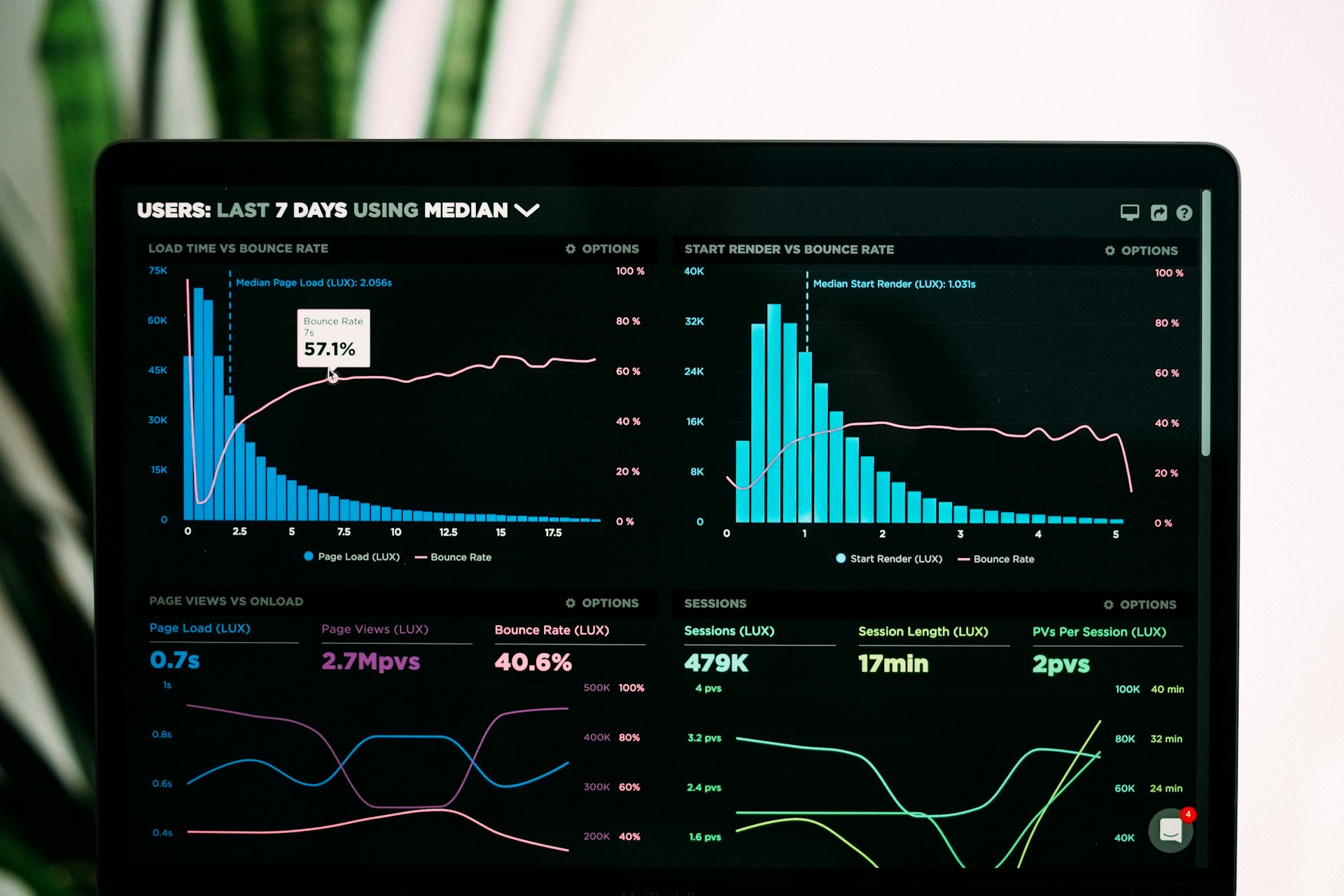
We audit your church's entire digital presence — website, Google rankings, social media, and ad eligibility — and show you exactly where the gaps are.
Your custom game plan
We create a tailored strategy based on your church's unique needs and goals. Whether that's a new website, local SEO, Google Ads, or all of the above — your plan is built specifically for you.

We bring it to life
Our team executes on the plan we've built together — designing, building, and optimizing the services your church needs. You focus on ministry; we handle the digital.

Watch your church grow
More website visits, more first-time guests, more community impact. We track everything with monthly reports so you see exactly what's working — and what's next.
Takes 2 minutes. Zero obligation.
Pastors love working with us.
Here's why.
"We used to get like 5 new people a month, check out the last 3 weeks — Week 1: 5 new people, Week 2: 10 new people, Week 3: 12 new people. So in the last 3 weeks we have had nearly 30 new people!"
Ryan Keller
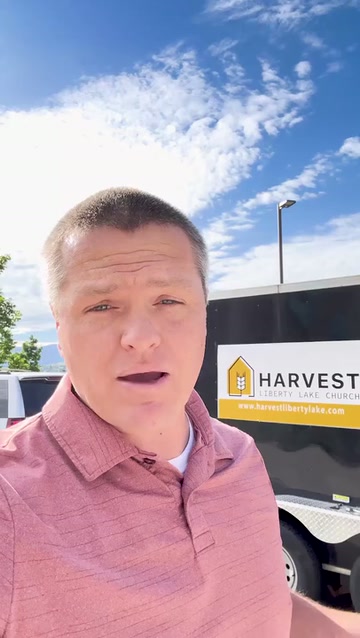
"Within 6 months we have consistently been the number one search result for churches in our town and we are beginning to get visitors that found us on Google!"
Sam Kramer
Harvest Liberty Lake Church
"I cannot say enough about every single encounter with REACHRIGHT. We have found approachable excellence at every step. True to their name, they go well beyond expectations."
Missie Dowey
Fresh Church
Hear it directly from our clients.
Sam Kramer
Harvest Liberty Lake Church
“The website paid for itself in the first month.”
Sam Kramer
Lead Pastor, Harvest Liberty Lake Church

Josh Smith
Arroyo Church, Dublin, CA
“People tell us every week they found us online.”
Josh Smith
Lead Pastor, Arroyo Church, Dublin, CA
Chris Binion
Encounter Church, Fate, TX
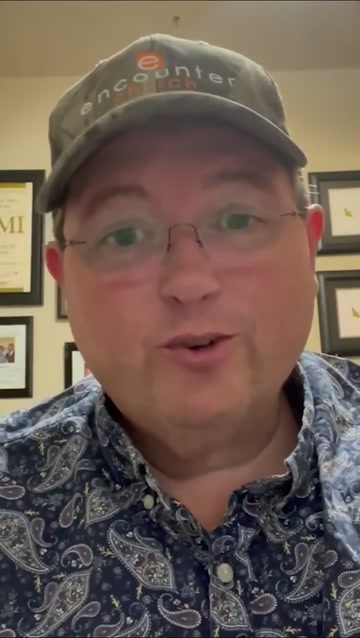
“We saw new visitors within the first two weeks.”
Chris Binion
Lead Pastor, Encounter Church, Fate, TX
We're not just marketers.
We're on your team.
Most agencies see a client. We see a church with a God-given mission to reach its community. That difference changes everything about how we work.
Ministry hearts, not just marketing minds
Our team includes pastors and ministry leaders. We don't just understand marketing — we understand the weight of shepherding a congregation.
We specialize in churches
We're not a general marketing agency that dabbles in churches. Churches are our specialty and our passion. Every strategy, every template, every campaign is built for ministry.
Results you can measure
No vanity metrics. We track what matters: website visitors, first-time guests, Google rankings, and ad grant performance. Monthly reports prove the ROI.
Dedicated account team
You get a real team who knows your church by name — not a rotating cast of freelancers. Your strategist, designer, and ads manager stay consistent.
How we're different

"We exist to help churches reach more people and grow."
Our mission since 2016
Questions pastors ask us
How much does this cost?
We're a small church. Is this for us?
Do we really qualify for $10,000/month in free Google Ads?
How long until we see results?
What if we're not happy with the results?
Do we need any technical knowledge?
Your community is searching.
Let them find your church.
Request a free, no-obligation review of your church's online presence. We'll show you exactly where you stand and what to do next — whether you work with us or not.