Big budgets and full-time tech teams may work for megachurches, but most small churches have to get creative.
The good news? Some of the most effective church digital tools out there are affordable, simple to use, and often overlooked. These tools are not about replacing ministry. They are about multiplying it.
In this article, we are highlighting ten tools that many churches miss. They may not show up on top ten lists or get featured in flashy ads, but they make a real difference in digital ministry. Some help you manage church data. Others assist with communication, online giving, or worship services. All of them help move your mission forward.
And the best part? Most of them are free or very low-cost.

Why Digital Tools Matter for Small Churches

Many churches still believe digital tools are optional. That mindset is a mistake.
In an increasingly digital world, especially in today’s digital age, churches that ignore online tools are limiting their reach. These tools help connect your church with people beyond your physical walls. They support your existing ministries and help you care for your church members throughout the week.
Smart tools also help you do more with less. Most small churches are stretched thin. Volunteers wear multiple hats. Staff members juggle tech, pastoral care, and Sunday prep. A few well-chosen tools can save time, reduce stress, and create more room for ministry work.
Digital tools are not a replacement for human connection. They are not a substitute for prayer, presence, or spiritual growth. But they do help church leaders carry the weight of administrative tasks, organize church events, and stay visible in the community.
Most churches are already familiar with tools like online giving platforms or church management software, but there are lesser-known options that can make just as much impact. Whether you are hosting virtual Bible studies, building a church plan from the ground up, or just trying to improve church attendance, the right tools make a huge difference.
Let’s take a look at the top overlooked tools and rank them.
10 Overlooked Tools Ranked

Some of these tools are hidden gems. Others are common tools used in new ways. All of them are accessible and practical for small churches right now, making them essential tools for digital ministry. These software tools can help enhance outreach, engagement, and operational efficiency for small churches.
Ranking System
We are using three categories to rate each tool:
- Mission Movers: These tools are must-haves. They help you serve your church community and communicate effectively.
- Ministry Maybe’s: These tools have potential but may only work well in specific church contexts.
- Misfires: These tools are often more hype than help. They may distract more than they deliver.
Google Voice
This one is almost too simple to mention, which is exactly why it gets overlooked. Google Voice gives you a free church phone number that can forward to a personal line and transcribe voicemails. No more missed calls. No more outdated church office phones nobody checks.
As one of the essential communication tools for small churches, Google Voice can be used for volunteer coordination, prayer requests, or setting up a dedicated line for pastoral care. It helps with community building and keeps personal numbers private while staying accessible to your church members.
While a full church management system can be helpful, small churches often benefit from lightweight tools like Google Voice that meet a specific need without the learning curve.
Claude

Claude is one of the most underrated artificial intelligence tools for churches. It is fast, secure, and built to handle complex conversations. Whether you are doing sermon prep, writing devotionals, or brainstorming community events, Claude is a powerful assistant.
While ChatGPT gets most of the attention, Claude offers church leaders a cleaner interface and often gives better responses for long-form content like emails or study guides. It helps you use AI without losing your human voice.
Canva

Canva is not new, but most churches still underuse it. The platform has added powerful features like Magic AI, video editing, and templates built for worship slides, sermon graphics, and church marketing materials.
With a church Canva account, your team can create announcements, flyers, and social media posts that look like they came from a design agency. Canva also allows you to schedule posts directly to your social media platforms, making it easy to plan and automate your content. It is perfect for scheduling posts and keeping your visual branding consistent across platforms.
YouTube Chapters
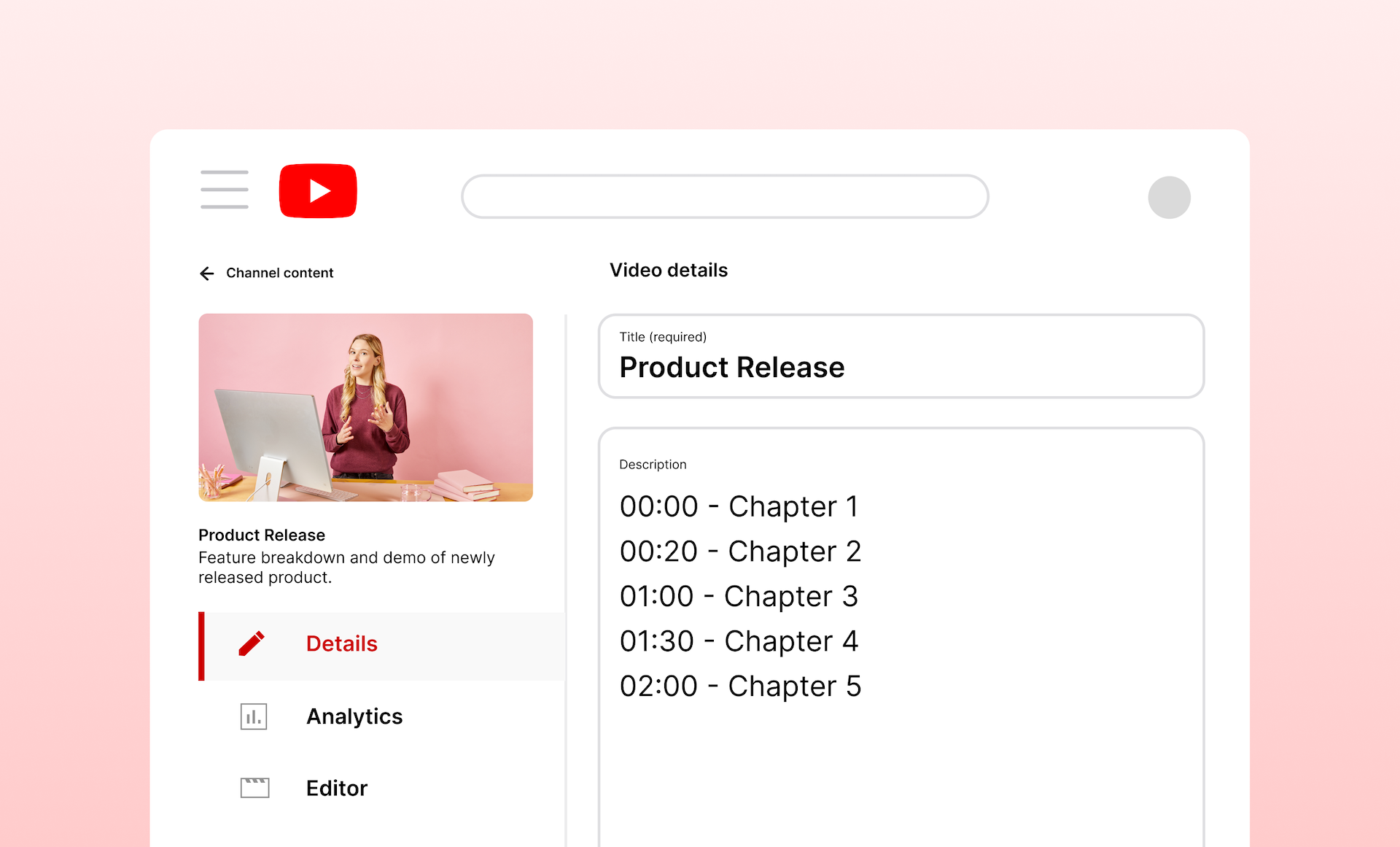
If your church posts sermons or worship services online, using YouTube chapters is a must. This simple feature lets viewers jump to the parts of the video they care about most, such as the message, worship songs, or closing prayer.
YouTube chapters also enhance the experience for viewers of live streams of church services, making it easier for them to revisit specific moments or participate in interactive segments like Q&A sessions. It also improves your video’s performance in search and makes your sermons more accessible. In a world where attention spans are shrinking, chapters let people find the content that matters to them without skipping everything else.
Trello
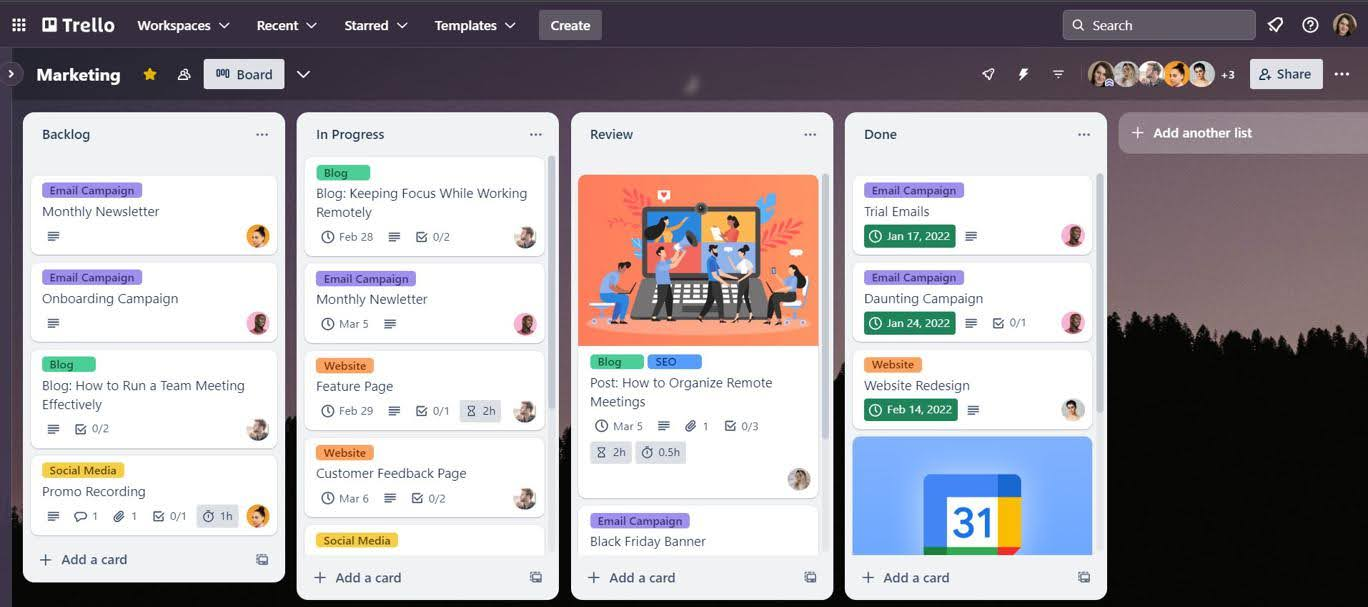
Trello is a visual project management tool that works well for small teams. It can be used to organize sermon series, plan church events, manage social media, or coordinate volunteers. Trello helps reduce administrative burdens for small churches by streamlining workflows and minimizing paperwork. It also makes administrative chores easier for church staff by simplifying the management of memberships, donations, and event planning, allowing teams to focus more on ministry and less on routine tasks.
It shines when your church staff is working remotely or juggling lots of moving parts. But it takes discipline. If your team is not used to digital task boards, Trello can become a ghost town. It works best when paired with regular team check-ins.
Tithe.ly Media

Many churches use Tithe.ly for online giving platforms, but their free media library is often missed. Tithe.ly Media offers high-quality graphics, worship backgrounds, countdown videos, and templates that are free for any church to use.
This resource helps small churches improve worship services without spending money on stock media or paying for design tools. It is ideal for Sunday graphics, sermon slides, or social media images. These resources can significantly enhance the visual experience during Sunday morning worship services, making gatherings more engaging and welcoming.
Calendly
Scheduling meetings with volunteers, counseling sessions, or even new visitor connections can be a nightmare. Calendly simplifies this by letting people book time with you directly on your calendar. It is also highly effective for event scheduling in church contexts, making it easy to organize and coordinate church activities and events.
It is a great fit for pastors who want to offer availability for pastoral care or follow-up without endless back-and-forth emails. That said, it works best in mid-size contexts. For very small churches where everyone already knows each other, it may feel too formal.
Mailchimp

Mailchimp is still one of the best tools for sending clean, consistent email updates to your church. Whether it is a weekly newsletter, church events, or emergency announcements, email is still a key part of digital ministry. Mailchimp is especially effective for sending event invites and keeping your congregation informed about upcoming events.
The free version gives you solid automation features, and the visual editor makes it easy to build a branded newsletter. For small churches that want to improve church communications, Mailchimp is a great place to start.
OBS Studio Live Streaming
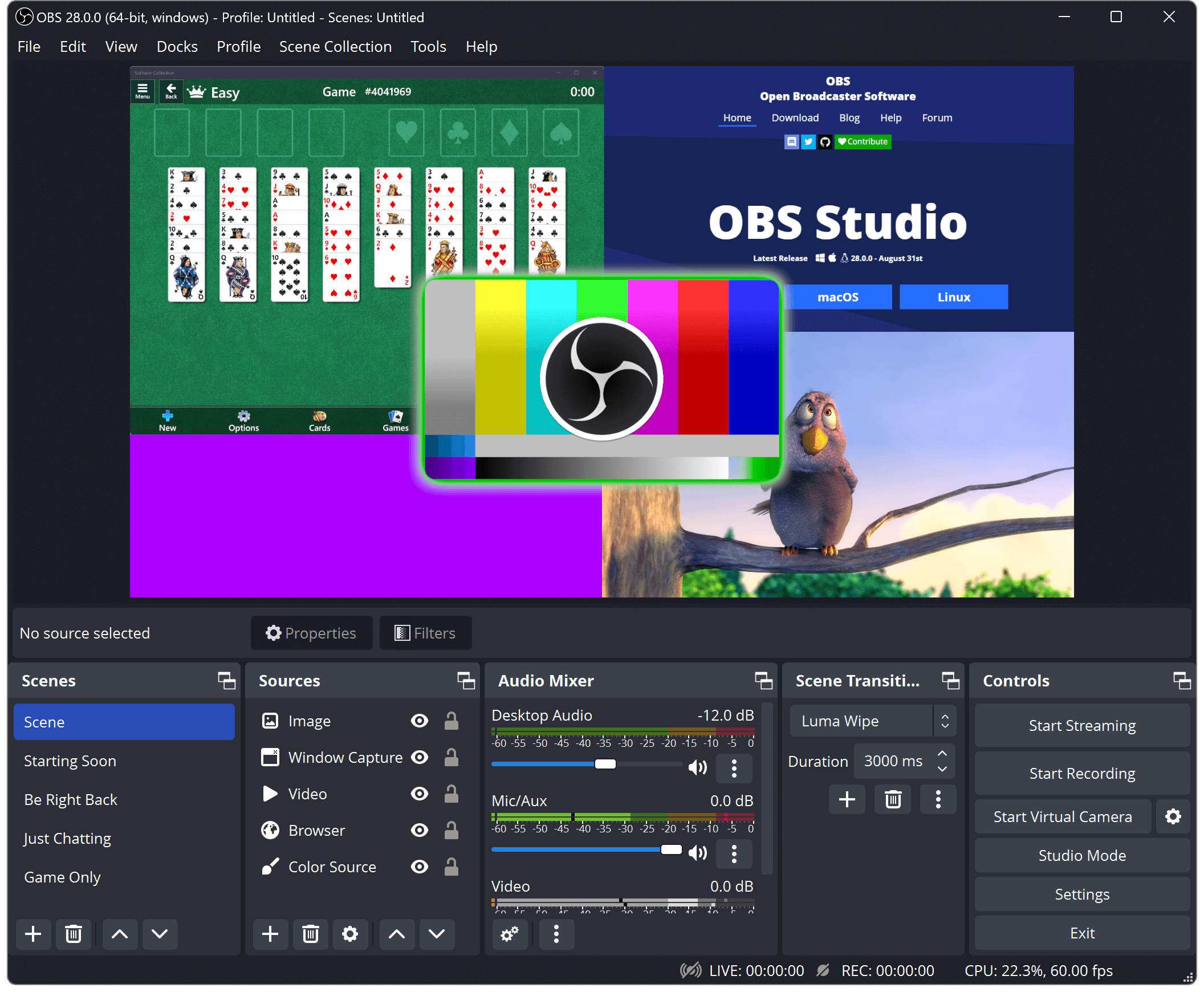
OBS Studio is a free tool for live streaming services. It has powerful features, but it comes with a learning curve. If you have a volunteer or staff member willing to learn, OBS lets you add overlays, switch camera angles, and improve your streaming experience.
OBS Studio is especially useful for facilitating online worship, allowing your church to reach a broader audience beyond the church walls through digital outreach and live streaming platforms.
It works well for churches trying to build a consistent digital ministry or host online services. But without some training, it can feel overwhelming. If you are not streaming consistently, this one may not be worth the time investment.
Facebook Groups

This one might surprise you, but Facebook Groups are quickly losing value for small churches. Many church leaders set them up with high hopes but see little engagement over time. Changes in the Facebook algorithm have made group content harder to find, and younger generations are spending less time on the platform.
There are still exceptions, especially for women’s groups or older demographics. But in most cases, a vibrant online community needs more than a Facebook Group to thrive. Churches relying solely on these groups for communication or connection may want to rethink their strategy.
Small Churches, Big Opportunities

The digital transformation of the church is not just for megachurches with tech budgets. It is for every local church that wants to reach people, serve their members, and stay connected throughout the week.
You do not need 50 tools to build a digital ministry. You need a few that work for your team and your context. The tools on this list are easy to try, often free, and well-suited for churches that are ready to take their next step online.
Small churches don’t need to fear the digital age. With the right tools and mindset, they can thrive and grow in ways that were never possible before.
Digital tools should never replace human connection. They should support it. The best ones help you spend less time on logistics and more time with people.
So whether you are looking to host better worship services, simplify your administrative tasks, or build a stronger church community, do not overlook the tools that might already be within reach.
They might just move your mission forward.