Church SEO is the work of making your church easy to find when someone nearby searches Google, opens Google Maps, or asks an AI assistant like ChatGPT to recommend a church. It rests on four pillars: local SEO, on-page SEO, link building, and technical SEO. For most churches, local SEO matters most, because the people looking for you are searching “churches near me,” not browsing the whole internet.
I founded REACHRIGHT in 2016, and my team has done this work for 800+ churches across 47 states. This guide is the same playbook we run on paid accounts, in plain English, including the AI-search shift that is rewriting the rules right now.

Reviewed by Thomas Costello
Founder & CEO of REACHRIGHT (since 2016) and Executive Pastor at New Hope Hawaii Kai. REACHRIGHT has served 800+ churches across 47 states and manages local SEO and AI search visibility for churches at $297/month. Former Sales Manager at Faith Highway, one of the largest church website companies in America before Ministry Brands acquired it.
Last reviewed: August 2026 · Data sources: internal REACHRIGHT client data, Google Business Profile documentation
The Short Answer
If you only have two minutes, here is the whole guide.
| Question | Answer |
|---|---|
| What is church SEO? | Making your church show up when locals search Google, Google Maps, or ask an AI assistant for a church |
| What matters most? | Local SEO. Your Google Business Profile, reviews, and consistent listings decide who shows up for "churches near me" |
| Can we do it ourselves? | Yes. The biggest wins (claiming your profile, getting reviews, fixing hours and listings) cost time, not money |
| What does help cost? | REACHRIGHT manages local SEO plus AI search visibility for $297/month |
| How long until results? | Profile fixes show up within weeks. Ranking movement usually takes a few months of consistent work |
| Where do I start? | Run the free Churches Near Me Test to see how visible your church is right now |

Key Takeaways
We get it, this is a big guide. If you don’t have time to read the whole thing, have no fear. Here is a shortlist of all of the key takeaways:
-
SEO is key for churches, enabling them to show up in ‘near me’ searches and connect with the local community effectively.
-
A successful church website must be mobile-friendly, easy to navigate, and optimized with relevant keywords to rank high on search engines, enticing potential members at the first point of contact.
-
Building a strong local SEO foundation through claiming your Google Business Profile, encouraging reviews, and accurate listings can drive local engagement and boost online presence.
-
Starting in 2026, it is now essential that churches understand how AI search is replacing search engines and what that means for SEO.
-
Looking for help with Local SEO for your church? Start with a 100% free Local SEO Report delivered to your inbox.
The Importance of Church SEO
Search Engine Optimization, or SEO, is a technique used to improve a website’s visibility on search engines like Google. But what does this mean for a church? SEO can boost a church’s online presence, allowing it to connect with more individuals, enhance its influence, and ultimately expand its congregation.
Local SEO, which focuses on making a website visible in local search results, holds particular significance for churches. This is because individuals searching for a new church often focus on their local area. When churches claim and optimize their listings on local directories, they set up a strong local presence. This, in turn, enhances local search optimization and broadens their reach within the community.
In addition to local SEO, keyword research is another crucial aspect of a successful SEO strategy. When you understand what your community actually types into Google, you can create content that answers those searches and brings more visitors to your site.
Ultimately, the purpose of SEO is to make a church’s website more visible to people searching for related content, helping them connect with potential members looking for faith-based communities.
The Four Pillars of Church SEO

In the realm of Church SEO, the foundation for success rests on four critical pillars: Local SEO, On-Page SEO, Link Building, and Technical SEO.
Each one plays a different role in getting your church found, and they work best together.
- Local SEO focuses on making your church visible and accessible to your immediate community, a key factor for those seeking a faith home nearby.
- On-Page SEO involves optimizing the content on your church website itself, making it not only engaging and informative but also easily discoverable by search engines.
- Link Building is the art of creating quality connections with other websites, establishing your church’s authority and relevance in the wider web.
- Technical SEO addresses the behind-the-scenes elements of your website, ensuring it is structured and runs smoothly for both search engines and users.
Together, the four pillars connect you with more people in your community, and they reinforce each other as they grow.
Let’s dig a little deeper.
Local SEO for Churches
Local SEO is the pillar that puts your church in Google’s map pack: the three listings with a map that show up when someone nearby searches “churches near me.” It runs on a claimed and complete Google Business Profile, a steady flow of Google reviews, and a name, address, and phone number that matches across every directory and listing your church appears on. Because it targets people already looking for a church to visit this Sunday, it’s usually the fastest pillar to show results, often within 60 to 90 days of real, consistent work.
We cover the full walkthrough, Google Business Profile setup, review scripts, citation lists, and a week-by-week plan for getting started, in our local SEO for churches guide.
On-Page SEO for Churches
What is On-Page SEO?
On-Page SEO refers to the practice of optimizing individual web pages to rank higher in search engines and earn more relevant traffic.
For churches, this means carefully crafting and structuring your website’s content, from text to images, to be both user and search engine friendly.
It involves using appropriate keywords, optimizing meta tags, creating quality content, and ensuring your site’s usability.
This form of SEO is about making each page on your church’s website an entry point for potential visitors, helping them find exactly what they’re looking for – be it service times, community events, or spiritual guidance.
Why On-Page SEO Matters
On-Page search engine optimization is critical because it directly impacts how search engines understand and value your website’s content. Proper optimization ensures that your church’s website is not only found but also deemed relevant and valuable for users searching for religious and community-related information.
This practice increases your site’s visibility and click-through rate. Moreover, well-optimized pages contribute to a better user experience, encouraging visitors to spend more time on your site, explore various pages, and engage more deeply with your church online.
How Do You Do It In Your Church?
Implementing On-Page SEO for your church website involves several key steps:
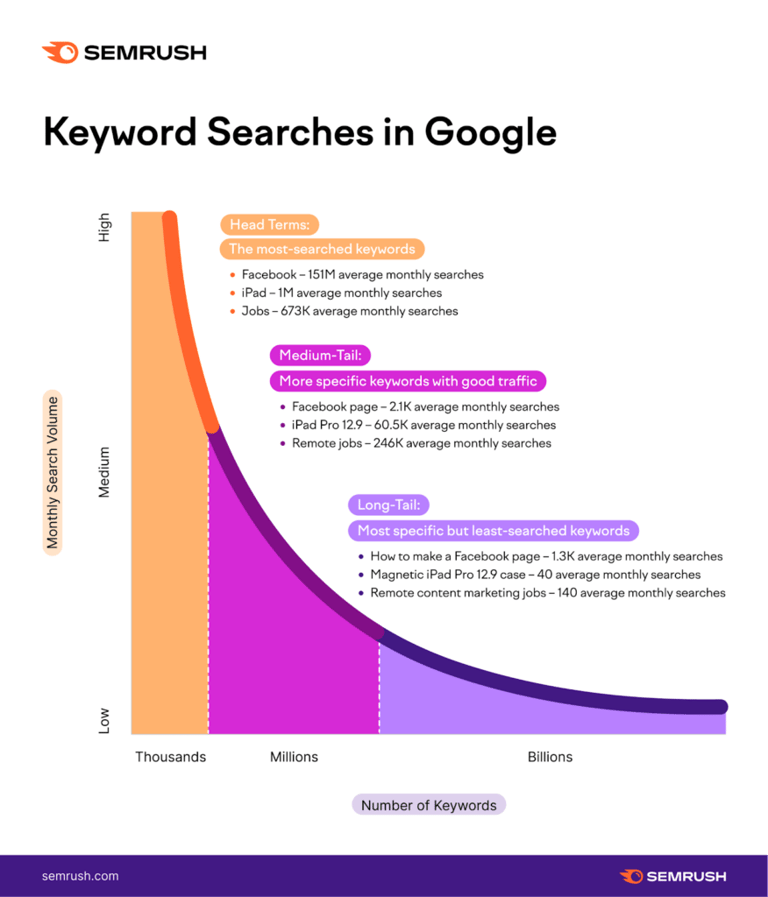
- Keyword Optimization: Identify and strategically incorporate keywords that your potential visitors are using to search for churches or religious services in your area.
- Content Quality: Create high-quality, engaging content that addresses the needs and interests of your audience, such as information about your church, its history, mission, community activities, and sermons.
- Meta Tags and Descriptions: Optimize title tags and meta descriptions to accurately reflect the content of each page, incorporating relevant keywords without overstuffing.
- Image Optimization: Use relevant images and optimize their file names and alt text with appropriate keywords, ensuring they contribute to your SEO efforts while enhancing user experience.
- Service Details: List your service or worship times on every page, usually in the header or footer. Google can pick these up too, and if other churches in your area list their hours and you don’t, searchers are more likely to pick one of them over you.
3 Strategies for Churches to Consider
- Regular Content Updates: Keep your website dynamic and engaging by regularly updating content. This could include weekly sermon summaries, blog posts on religious topics, or updates about church events and community activities.
- User-Friendly Website Design: Ensure your website is easy to navigate, loads quickly, and is accessible on various devices, particularly mobile phones. A user-friendly design not only helps keep visitors on your site longer but also positively impacts search engine rankings.
- Internal Linking: Use internal links wisely to guide visitors to related content on your site. This not only helps with user navigation but also allows search engines to crawl your site more effectively, understanding the structure and relevance of your content.
Link Building for Churches
What is Link Building?
Link Building is the process of acquiring hyperlinks from other websites to your own. For churches, this means encouraging external sites to link back to your church’s website.
These links act as endorsements or votes of confidence in the eyes of search engines, boosting your site’s authority and search engine rankings.
Effective link building can significantly increase your church’s online visibility and credibility. It’s about creating a network of connections that not only enhances SEO but also broadens your church’s digital outreach.
Why Link Building Matters
Link Building is a critical component of SEO because search engines like Google use links as a primary means of determining a website’s quality and relevance.
High-quality backlinks from reputable websites signal to search engines that your church’s website is a valuable resource, worthy of ranking higher in search results.
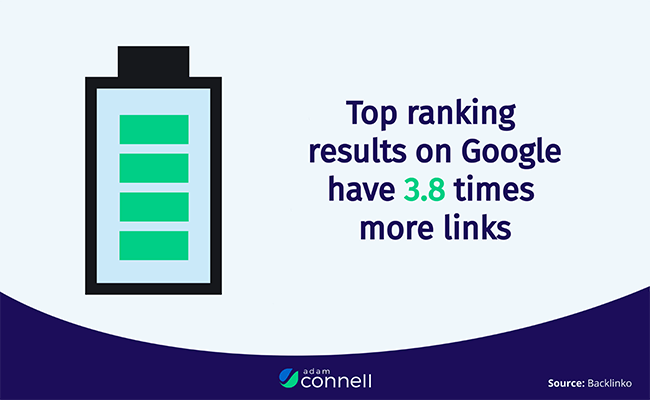
This not only improves your church’s online presence but also drives more organic traffic to your site. Moreover, strategic link building can help you reach a broader audience and establish your church as an authority in religious and community matters.
How Do You Do It?
Effective Link Building for churches involves several strategies:
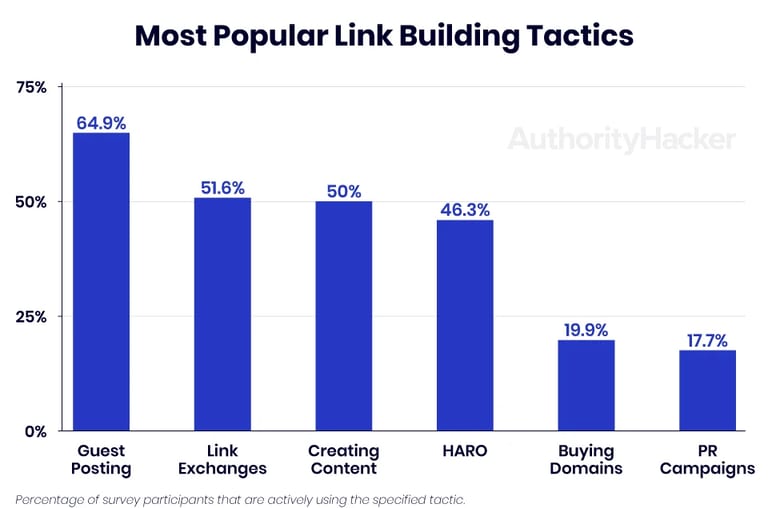
- Content Creation: Produce high-quality, shareable content like blog posts, event summaries, and sermon transcripts. Great content naturally attracts backlinks from other sites.
- Community Engagement: Participate in community events, collaborations, or local charity initiatives, and leverage these activities to gain links from local businesses, news outlets, and community blogs.
- Online Directories and Partnerships: List your church in online directories and establish partnerships with religious organizations, local businesses, and educational institutions that can link back to your site.
3 Strategies for Churches to Consider
- Guest Blogging and Collaborations: Write guest articles for religious publications or collaborate with local community bloggers. These partnerships often provide opportunities for backlinks to your church’s website.
- Social Media Engagement: Use social media platforms to share your content and engage with your community. While social media links are typically no-follow, they increase the visibility of your content and can lead to natural backlinks from other websites.
- Leverage Testimonials and Reviews: Encourage members of your congregation to write testimonials or reviews about your church on their websites or blogs. Personal stories and experiences can be a powerful source of authentic backlinks.
Technical Church SEO
What is Technical SEO?
Technical SEO refers to the process of optimizing the infrastructure of your church’s website to help search engines crawl and index it more effectively.
It involves aspects like website speed, mobile-friendliness, secure connections (HTTPS), structured data, and clean code.
Essentially, it’s about making sure that your website’s technical foundation is solid, enabling search engines to understand and rank your site’s content efficiently.
For churches, this means ensuring that the website is not only content-rich but also technically optimized for search engine algorithms.
Why Technical SEO Matters
Technical SEO is crucial because it directly affects your website’s ability to rank in search engines. A technically sound website provides a good user experience, which is a key factor in search engine rankings.
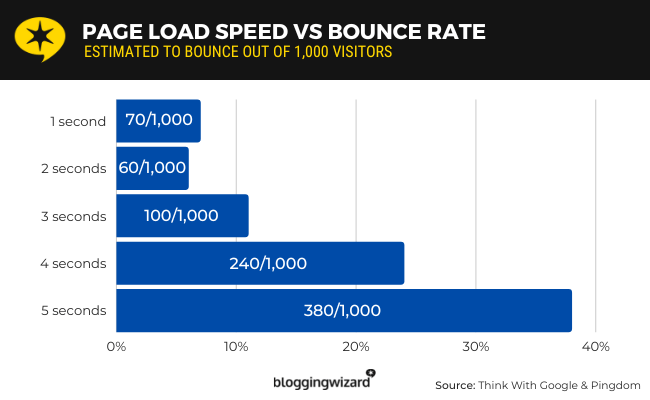
If your site loads slowly, isn’t mobile-friendly, or has complex navigation, it could negatively impact your SEO efforts. Search engines favor websites that are easily accessible, navigable, and provide secure browsing.
For churches, this means that technical SEO isn’t just about pleasing algorithms, but also about ensuring a pleasant and safe online experience for your congregation and potential visitors.
How Do You Do It?
Implementing Technical SEO for your church website includes:
- Mobile Optimization: Ensure your website is responsive and provides a seamless experience on mobile devices.
- Site Speed: Improve your website’s loading time by optimizing images, minifying CSS and JavaScript, and leveraging browser caching.
- Secure Website (HTTPS): Use a secure HTTPS connection to protect your users’ data and improve your site’s trustworthiness in the eyes of search engines.
- Structured Data: Implement structured data (Schema Markup) to help search engines understand your site’s content and context, which can enhance your visibility in search results.
3 Strategies for Churches to Consider
- Regular Website Audits: Conduct regular technical audits to identify and fix issues like broken links, crawl errors, duplicate content, and poor mobile optimization.
- Optimize for Local Search: Implement local Schema Markup to enhance your visibility in local search results, making it easier for community members to find service times, events, and location information.
- Accessibility and User Experience: Ensure your website is accessible to all users, including those with disabilities. This includes clear navigation, alt text for images, and readable fonts. A user-friendly website not only helps with SEO but also aligns with the inclusive values of your church.
Creating a Church Website That Ranks High in Search Engines

Having a well-optimized church website is a key element in improving a church’s online presence. The website is often the first point of contact for potential new members, so it needs to:
-
Be easily discoverable
-
Make a good first impression
-
Be mobile-friendly
-
Be easy to navigate
-
Be optimized with relevant keywords to rank high in search engine results
Mastering keyword research is the key to unlocking the potential of your church website. By identifying the words and phrases people use to find churches online, you can optimize your website to match these search queries, including popular phrases such as ‘church near me’.
By focusing on these target keyword phrases and ensuring the page’s relevance to these keywords, you can help Google understand what your page is about, ultimately leading to improved search rankings.
Mobile-Friendly Design
In today’s digital era, it’s paramount for a church website to be responsive and accessible across different devices—this is referred to as a mobile-friendly design. Not only does it ensure a seamless experience for visitors, but it also keeps your website up-to-date with the latest trends. Google values responsive design, and a mobile-friendly layout can lead to improved search engine rankings.
Mobile-friendly design includes elements such as:
-
Responsive layout
-
Fast loading speed
-
Readability
-
Easy navigation
-
Clear call-to-action (CTA)
-
Mobile-first design
-
Optimized images
-
Consistent branding
-
Minimalistic design
-
Accessibility
Website Grader is a tool that can help you check if your church website is mobile-friendly. You can also run your site through Google’s free PageSpeed Insights and check the mobile score to confirm it holds up on phones. Ensuring easy website accessibility on mobile devices helps maintain quality and performance. This leads to an enhanced user experience, increased engagement, and keeps the website in line with current mobile browsing trends.
Easy Navigation
A user-friendly website with clear navigation is another key element of a successful church website. An easy-to-navigate website helps visitors find the information they need quickly and efficiently. This contributes to a positive user experience and better SEO.
Creating user-friendly website navigation involves focusing on:
-
Clear and intuitive menus
-
Responsive design adaptable to various devices
-
Simple design to prevent overwhelming users
-
Effortless navigation flow
-
Maintaining a consistent layout throughout the website
Easy navigation can enhance a church’s SEO by:
-
keeping visitors engaged for longer durations
-
reducing bounce rates
-
demonstrating the website’s value to search engines
-
facilitating effective crawling and indexing by search engines
-
leading to improved search rankings.
Keyword Usage
Incorporating relevant SEO keywords, including target keywords, throughout your church website is a key component of a successful SEO strategy. By optimizing your website with keywords that potential visitors are likely to use in their searches, you can improve your search rankings and attract more visitors.
Google’s Autocomplete feature is a game-changer when it comes to uncovering popular search terms for churches. By simply typing in a keyword like ‘church’ and observing the Autocomplete suggestions, you can gain valuable insights into relevant keywords without even pressing enter.
By focusing on keyword phrases like ‘church near me’ and integrating them appropriately into your website’s content, your church can improve its online visibility and search rankings. These keywords help Google understand what your page is about, ultimately leading to improved search rankings.
Be specific about where those keywords go. The pages that perform best work them into subheads, page titles, the body text itself, the page description, the meta description, and image names, not just one line buried in a paragraph. Google doesn’t publish a keyword-density target. Its spam policies flag repeating words “so often that it sounds unnatural.” Write the way a real visitor searches, with phrases like “family-friendly church services,” not a robotic repeat of the same word.
Which keywords go on which page is its own question. Our breakdown of church SEO keywords by page type (home, plan a visit, kids and students, sermons, events, and give) walks through it with real Search Console data instead of guesswork.
Optimizing Your Church’s Online Content

Creating and optimizing various types of content, such as blog posts, event listings, and sermons, is crucial for engaging your audience and improving your church’s online presence. High-quality, engaging content can keep your audience coming back for more and can also attract new visitors.
You can take your church website to the next level by creating a diverse range of engaging content for church websites. This includes:
-
Blog posts that provide informative articles and reflections
-
Event listings that inform your congregation about upcoming events
-
Recorded sermons that provide valuable resources for your congregation
-
Testimonials that build trust with people who haven’t visited yet
All of this content can be shared and promoted on social media to enhance its impact.
Blog Posts
Publishing informative and engaging blog posts is a powerful way to share your church’s message, attract new visitors, and improve search rankings. Regularly posting fresh content on your blog can keep your audience engaged and can give search engines new content to index, which can improve your search rankings.
To craft an irresistible blog post for your church website, focus on including:
-
Essential church information
-
Writing in a clear and concise manner
-
Using engaging headlines
-
Curating content that provides useful information or resources
-
Ensuring that the post reflects the church’s voice and message.
To achieve optimal SEO results and attract more visitors to your church’s website, it’s recommended to consistently post new blogs at least once a week. However, the frequency can be adjusted based on your church’s resources and specific goals. Blogging can add up to 434% more indexed pages than a website alone, and every indexed page is one more shot at showing up in search.
Event Listings
Promoting upcoming events on your church’s website is another great way to engage your audience and improve your SEO. By keeping your congregation informed about upcoming events, you can:
-
Encourage them to visit your website regularly, which can improve your search rankings
-
Feature events prominently on your homepage
-
Leverage the power of social media
-
Use traditional visibility methods
-
Optimize your site with relevant keywords
-
Claim local listings
-
Encourage reviews
-
Incorporate a Google Map for maximum impact
Taking these steps can help take your church website to the next level.
Updating event calendars and community news regularly will enhance user experience and engagement on the website, contributing to optimal SEO performance.
Sermons
Sharing recorded sermons on your church’s website is a fantastic way to reach a wider audience and offer valuable resources for the congregation. Recorded sermons can be easily shared and can provide valuable insights and teachings for your audience.
To truly enhance your church’s online presence, focus on using high-quality external webcams or video cameras, stabilizing your recordings, and ensuring top-notch audio and video. Additionally, optimize your sermon titles and descriptions with relevant keywords, provide transcripts or captions, and create a dedicated sermons page for a well-organized content hub.
By transcribing sermons, you can boost visibility, drive more traffic to the website, and create a more engaging user experience. When audio and video files are optimized with descriptive file names, metadata, content transcription, webpage optimization, schema markup, and promotion of sermon sharing, it can lead to significant advantages for the website.
Testimonials
People want to know how others feel about a church before they visit. Ask members of your congregation to share short testimonials about their own experience, and publish them on your site.
When someone searches “[your city] [your denomination] church reviews,” a page of real testimonials gives you a shot at showing up for it. It does the same trust-building work as your Google Business Profile reviews, just on your own site where you control the presentation.
Harnessing the Power of Social Media for Church SEO

In addition to optimizing your website, leveraging the power of social media can further improve your church’s SEO. Social media platforms like:
-
Facebook
-
Instagram
-
Twitter
-
YouTube
-
Pinterest
Utilizing church online can help your church connect with its audience, share its content, and improve its online presence.
Social media can significantly enhance your church’s SEO by increasing visibility, generating backlinks and social signals, and fostering user engagement. Optimizing social media profiles and posts can lead more people to discover your brand in search results and generate more backlinks to your site, further improving search rankings.
You can take your church’s online presence to the next level by:
-
Building a vibrant social media community
-
Sharing uplifting content and sermons
-
Creating compelling and shareable posts
-
Using targeted social media ads to expand your reach.
Tracking Your Church SEO Progress
For long-term success, regular monitoring of your church’s SEO performance is essential. Tools like Google Analytics can help you identify areas for improvement and measure the success of your efforts. By tracking important metrics such as:
-
website traffic
-
organic search rankings
-
people taking a next step, like planning a visit
-
user engagement
You can gain valuable insights into the SEO performance and highlight areas for potential improvement.
Regularly checking Google Analytics data for tracking the SEO progress of your church website is crucial. By staying consistent and regularly adding fresh content, you can take your SEO performance to new heights.
The common SEO problems to look for when reviewing Google Analytics data for a church website include:
-
Technical issues
-
Setup mistakes
-
Misinterpreted data
-
Discrepancies between Google Analytics and Search Console
-
Unaddressed technical issues
How AI Search is Impacting SEO

AI search is changing how people discover content online, and that shift has major implications for search engine optimization seo. Search engines are no longer just matching keywords to pages. They are interpreting intent, summarizing answers, and prioritizing content that clearly solves real questions. This means churches can no longer rely on shallow pages or keyword stuffing to rank well. Clarity, structure, and usefulness now matter more than ever.
AI-powered search tools pull from websites that demonstrate authority and trust. For churches, this puts a spotlight on clear service information, well-written sermons, thoughtful blog content, and consistent updates. Pages that answer specific questions like service times, beliefs, kids ministry, or how to get connected are far more likely to surface in AI-driven results. Strong formatting, descriptive headings, and plain language help AI understand and surface your content accurately.
The good news is that churches already create meaningful content every week. Sermons, events, and community stories are exactly what AI search favors when they are organized well. By focusing on quality, relevance, and consistency, churches can stay visible and accessible in a rapidly changing search landscape. AI is changing how search works for churches too. For a deep dive on how AI tools like ChatGPT and Google AI Overviews affect church SEO, see our complete AI SEO guide for churches.
Leveraging Off-Page SEO Techniques
In addition to optimizing your website and social media profiles, off-page SEO strategies can also significantly improve your church’s online presence. Techniques like link building and press coverage can boost your church’s search rankings and establish its online authority.
Link building is a top-ranking factor by Google, and these backlinks act as powerful votes of confidence, showcasing the credibility and authority of a church’s website.
Good publicity can get people talking about your church and linking back to its website. This not only boosts your church’s off-page SEO but also strengthens its online reputation and authority, leading to higher search rankings.
Maintaining Your Church’s SEO Success
For sustained success, continuous monitoring and updating of your church’s SEO strategies are vital. This allows you to adapt to changes in search engine algorithms and evolving user behavior, ultimately maximizing your church’s online visibility and reach.
For sustained success, it’s important to regularly update church SEO strategies. This allows for adaptation to ever-changing search engine algorithms and evolving user behavior, ultimately maximizing a church’s online visibility and reach.
Achieving SEO success involves:
-
Using potent keywords
-
Optimizing with Google Search Console
-
Ensuring website accessibility and searchability
-
Frequent content updates
-
Leveraging social media for promotion and engagement.
Frequently Asked Questions
Church SEO
In conclusion, a strong online presence is crucial for churches in the digital age. By implementing effective SEO strategies, including local SEO, optimizing your website and content, using social media, and continuously monitoring and updating your SEO strategies, you can significantly improve your church’s online visibility and reach. A comprehensive church marketing strategy ties all of these efforts together, from your website to search rankings to social media.
Let’s harness the power of SEO and make a greater impact in our communities!